Full Arch Reconstruction
Full arch reconstruction courses at Pikos Institute provide advanced implant education for clinicians treating patients who require complete arch rehabilitation. These programs focus on the coordinated planning and execution required for fixed full-arch implant treatment, including surgical positioning, prosthetic sequencing, and long-term maintenance considerations.
Each course is designed to address a specific clinical goal, experience level, or treatment challenge. Course formats vary in depth and focus, allowing clinicians to select education aligned with their scope of practice and patient population. Instruction is delivered through live training, structured lectures, and real clinical case analysis grounded in evidence-based protocols.
These courses are intended for implant dentists, oral and maxillofacial surgeons, periodontists, and prosthodontists seeking advanced continuing education that bridges clinical theory with practical application. Emphasis is placed on improving efficiency, reducing complications, and achieving predictable outcomes in fixed full-arch implant rehabilitation.
Learning Ladder
Courses can be taken in any order depending on clinician experience & confidence.
Entry Level
Level 1
Overdentures to All-on-XYZ for Entry-Level Clinicians

Intermediate / Advanced
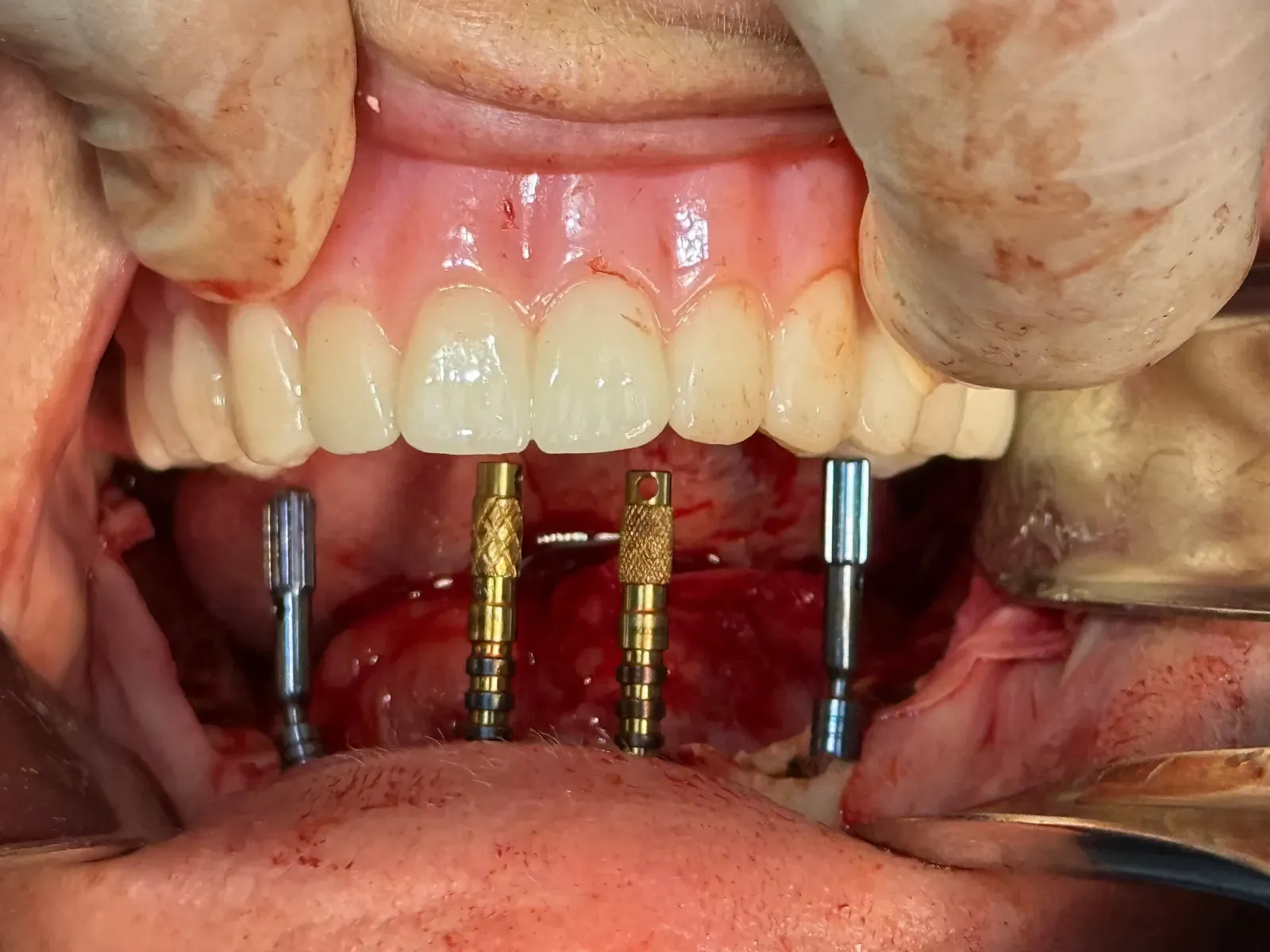
Immediate Load Therapy: Surgical & Restorative Protocols
Intermediate / Advanced
Alternative Approaches to Avoiding Zygomatic Implants

Intermediate / Advanced
Surgical And Restorative Predictability And Accuracy
-p-1600.webp)
Intermediate / Advanced
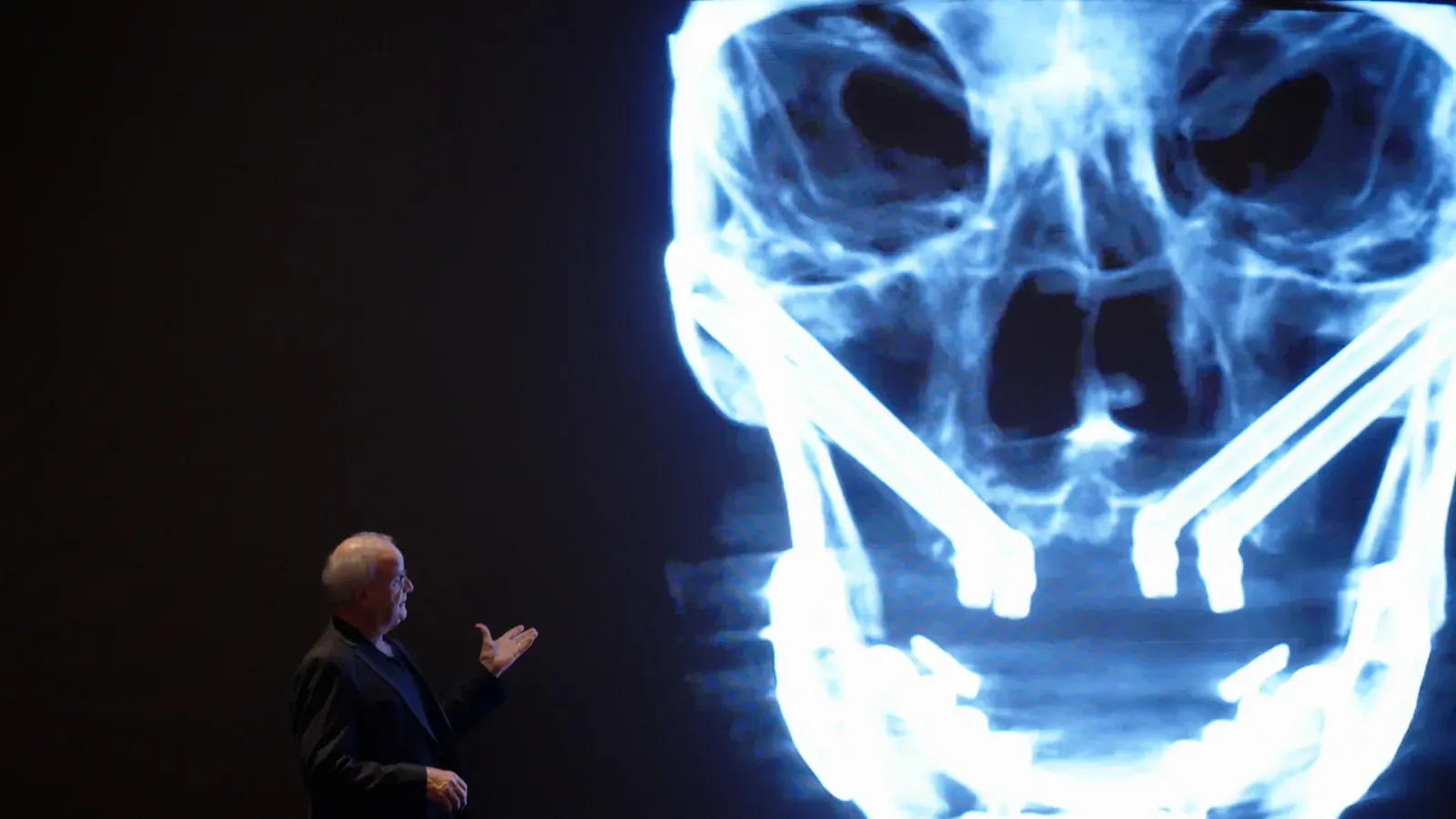
Treating The Severely Atrophic Maxilla
Intermediate / Advanced
Curitiba, Brazil
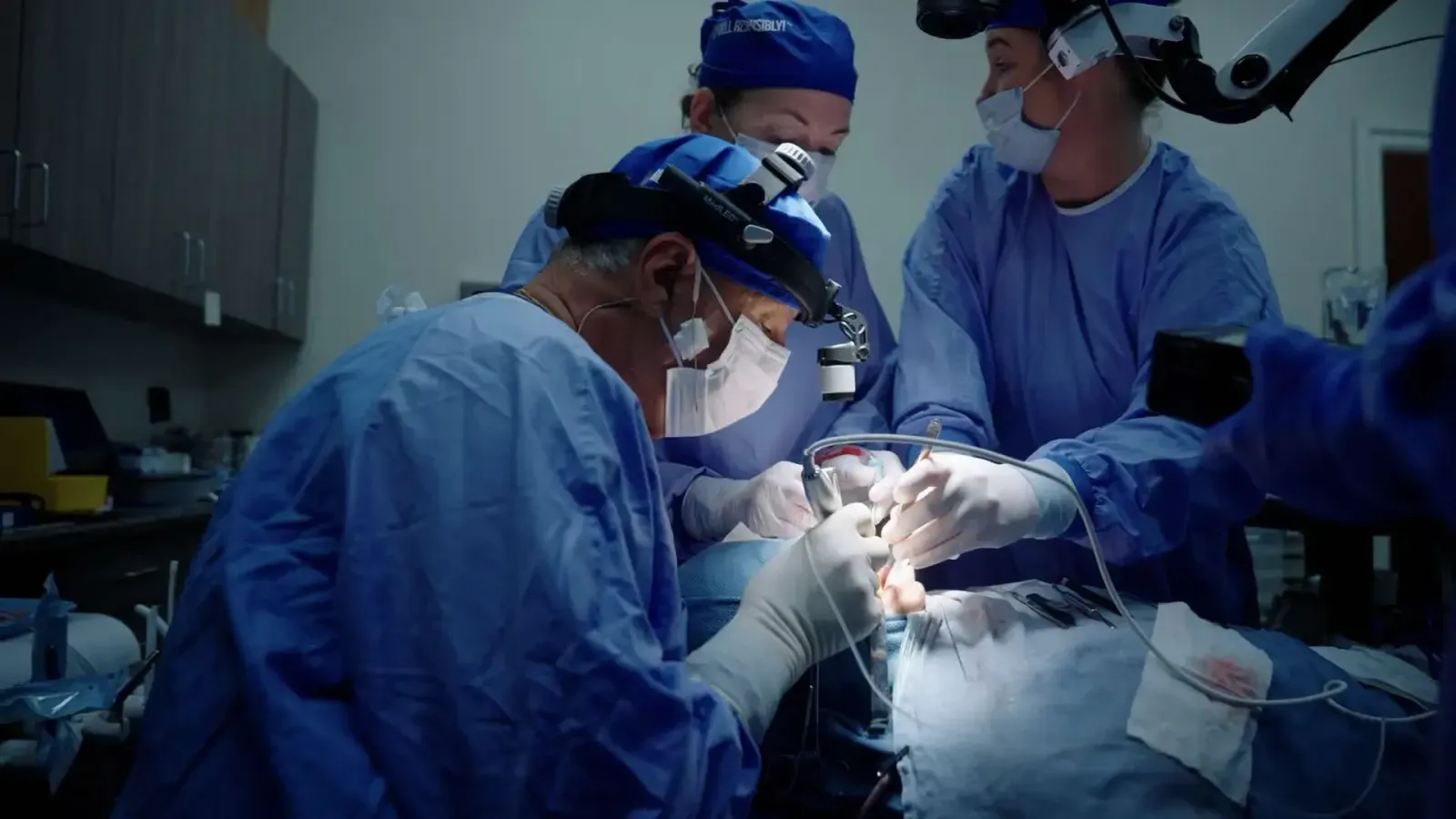
Hands-On Immediate Load Surgical Implant Experience
Intermediate / Advanced
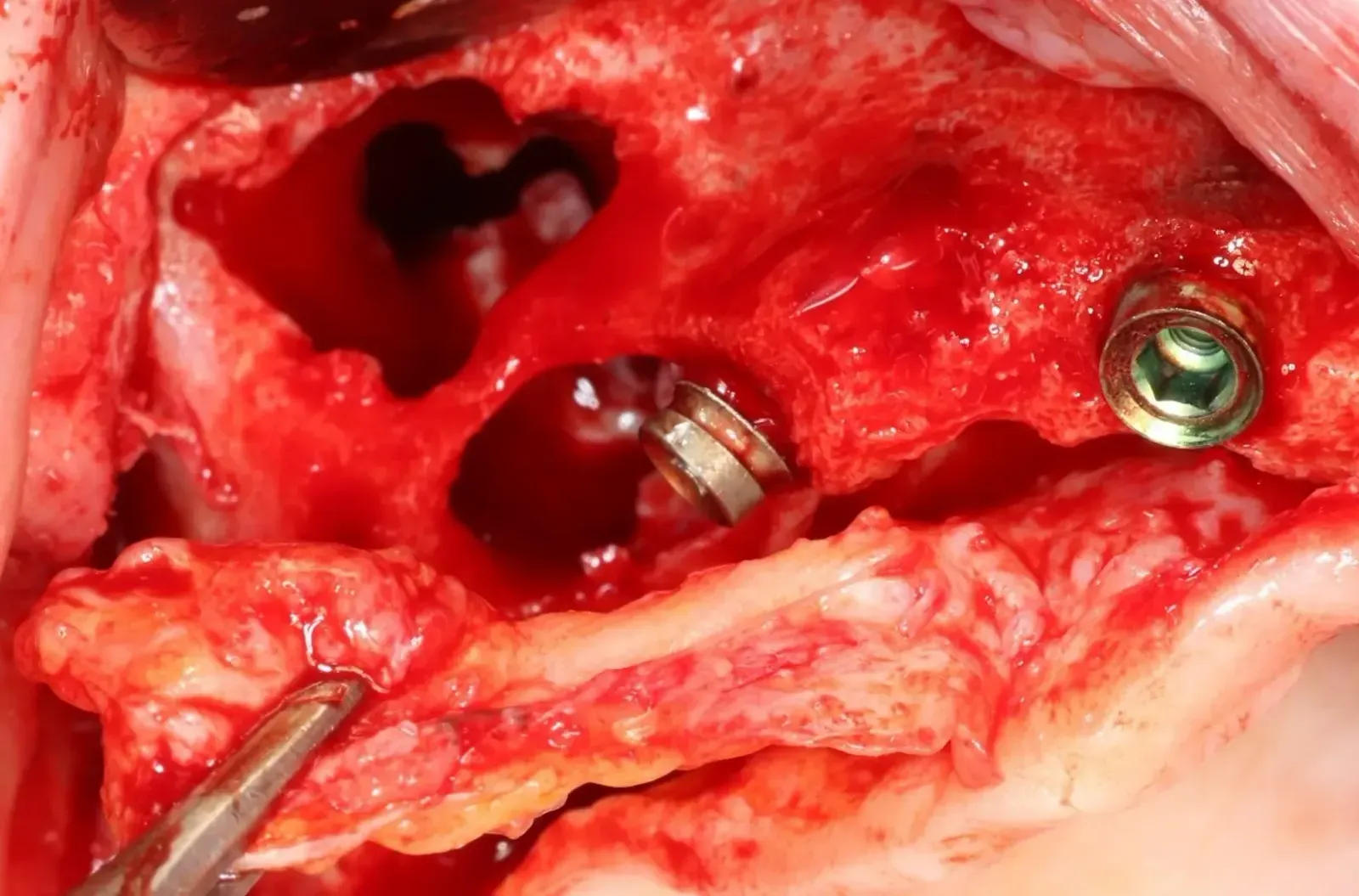
Advanced Full-Arch For Severely Edentulous
-p-1600.webp)
Our courses
What you’ll learn in full-arch implant reconstruction training
Full-arch implant reconstruction is among the most complex areas of implant dentistry, requiring precise coordination between diagnosis, surgical execution, and prosthetic planning. These courses provide comprehensive education covering the full treatment process from initial evaluation through final restoration.
Clinicians participating in full-arch reconstruction training gain instruction in:
- Case selection and diagnostic planning for complete arch treatment
- Fixed hybrid prosthetic concepts and restorative design principles
- Surgical workflows for full-arch implant placement and arch stabilization
- CBCT-based analysis for anatomical assessment and guided decision-making
- Immediate loading considerations and provisionalization strategies
- Prosthetic sequencing from surgery through definitive restoration
- Risk assessment and complication avoidance at the arch level
Rather than teaching isolated techniques, the curriculum emphasizes predictable, repeatable workflows. Each educational component is presented in the context of how it affects surgical efficiency, prosthetic outcomes, and long-term implant stability.


Who these courses are designed for
These full-arch reconstruction courses are designed for clinicians at different stages of implant experience who want to expand or refine their ability to manage complete arch treatment.
Programs are well suited for:
- Dentists transitioning from single-tooth implants to full-arch cases
- Clinicians currently placing full-arch implants seeking greater consistency
- Oral surgeons managing advanced arch-level implant reconstruction
- Prosthodontists collaborating on fixed full-arch prosthetic solutions
- Implant teams pursuing structured continuing education in complex cases
While some courses address advanced clinical scenarios, instruction is delivered with clarity and repetition to support responsible integration into practice. Emphasis is placed on workflows that scale with experience and promote consistent results across varied patient presentations.
These continuing education programs are designed to support clinicians pursuing advanced implant CE focused on arch-level rehabilitation.
Got questions?We’ve got answers

A full arch reconstruction course is an advanced continuing education program focused on the comprehensive rehabilitation of patients who require complete arch implant treatment. Rather than concentrating on implant placement alone, these courses address the full scope of care, from diagnosis and treatment planning through surgical execution, prosthetic coordination, and long-term maintenance.
Education emphasizes how decisions made early in the process influence efficiency, stability, and restorative outcomes. Clinicians learn how implant positioning, prosthetic design, occlusion, and material selection interact at the arch level. This systems-based approach helps reduce variability and supports more predictable results in complex reconstruction cases.
By treating full-arch rehabilitation as an integrated workflow rather than a series of isolated steps, these programs help clinicians develop repeatable strategies that can be applied across diverse patient presentations and anatomical conditions.
Course content focuses on the core clinical components required for successful arch-level implant rehabilitation. Topics commonly include diagnostic evaluation, treatment planning, implant positioning strategies, and prosthetic considerations relevant to fixed full-arch restorations.
Participants also receive instruction on provisionalization, occlusal management, sequencing protocols, and risk mitigation strategies. Imaging interpretation, particularly CBCT-based analysis, is integrated throughout the curriculum to support informed surgical and restorative decisions.
Rather than teaching techniques in isolation, the education emphasizes how each clinical element contributes to the overall outcome. This helps clinicians understand not only what to do, but why certain decisions matter within the broader reconstruction process.
Beyond individual topics, the curriculum emphasizes how clinical decisions compound across treatment phases. For example, participants learn how diagnostic assumptions influence implant positioning, how implant positioning affects prosthetic design, and how prosthetic design impacts long-term maintenance and patient comfort. This integrated perspective helps clinicians recognize where problems commonly originate and how to prevent downstream complications before they occur.
Yes. These programs are structured as accredited continuing education offerings and provide CE credit for participating clinicians. They are designed to meet professional requirements while delivering education that directly supports clinical improvement.
Beyond credit hours, the emphasis is on instruction that can be applied immediately in practice. Participants gain knowledge that supports professional development, improved patient outcomes, and more efficient workflows, making the educational investment both compliant and practical.
Immediate load concepts are discussed as part of comprehensive treatment planning across multiple courses. These protocols introduce additional considerations related to implant stability, occlusion, prosthetic design, and provisionalization.
Rather than promoting a single approach, the education emphasizes evaluating when immediate loading is appropriate and how to manage associated risks. Clinicians learn to assess patient-specific factors and apply immediate load strategies selectively within predictable workflows. Discussion often includes provisional sequencing, managing occlusal contacts during healing, and setting appropriate expectations for function and maintenance.
The discussion around immediate loading also includes patient communication and expectation management. Clinicians learn how to explain provisional function, limitations during healing, and the importance of follow-up care. This helps align clinical planning with patient understanding, reducing dissatisfaction and minimizing the risk of complications related to misuse or unrealistic expectations during the healing phase.
Advanced imaging plays a central role in planning arch-level implant treatment. Courses teach clinicians how to interpret CBCT data to evaluate anatomical structures, assess bone volume, and plan implant positioning relative to prosthetic requirements.
Proper imaging analysis helps reduce surgical risk, improve restorative predictability, and support coordination between surgical and prosthetic phases. Understanding how to integrate imaging into the planning process is essential for managing complex cases responsibly.
These courses are intended for dental professionals involved in implant-based treatment who want to expand beyond single-tooth or partial restorations. They are appropriate for general dentists, oral and maxillofacial surgeons, periodontists, and prosthodontists at different stages of experience.
Clinicians transitioning into full-arch treatment often encounter challenges related to biomechanics, restorative space management, sequencing, and case selection. Structured education helps address these challenges methodically, allowing participants to build confidence while maintaining clinical responsibility.
More experienced providers may use these courses to refine workflows, improve consistency, and reduce complication rates. The curriculum supports both skill development and decision-making, making it relevant across a wide range of practice environments.
General implant training often focuses on individual implant placement or limited restorative scenarios. In contrast, arch-level reconstruction education addresses the added complexity of managing multiple implants functioning together as a unified biomechanical system.
Small deviations in planning or execution can have amplified consequences when treating a complete arch. These courses emphasize coordination between surgical placement and prosthetic objectives, helping clinicians align decisions from the outset.
The result is a more comprehensive educational experience that prepares clinicians to manage complexity with greater predictability, rather than adapting single-implant concepts to full-arch cases.
Yes. Instruction includes detailed discussion of fixed full-arch prosthetic concepts and how restorative goals influence surgical planning. Understanding the intended prosthetic outcome is essential for determining implant number, position, angulation, and restorative space.
Topics often include framework design, material selection, occlusal relationships, and sequencing from provisional to definitive restoration. By integrating prosthetic education into surgical workflows, clinicians gain a clearer understanding of how both disciplines intersect. This approach supports restorations that are not only functional and esthetic, but also maintainable over the long term.
Instruction also addresses practical considerations that influence long-term success, such as restorative space management, access for hygiene, and retrievability. Clinicians explore how small design decisions can affect serviceability and patient compliance over time. By understanding these restorative implications during the planning phase, participants are better prepared to deliver solutions that remain functional, maintainable, and predictable beyond initial delivery.
While prior implant experience is beneficial, these courses are structured to accommodate clinicians at different stages of professional development. Those with limited exposure to full-arch cases gain foundational frameworks that support responsible case selection and gradual implementation.
Clinicians with more experience often use the courses to refine existing workflows, address complications encountered in practice, and improve efficiency. Instruction supports progressive learning, allowing participants to apply concepts at a level appropriate to their experience and clinical setting.
The educational structure is intentionally designed to meet clinicians where they are, without encouraging premature escalation in case complexity. Less experienced providers gain clarity around when to refer, when to collaborate, and when to proceed cautiously, while more advanced clinicians refine judgment in challenging situations. This balanced approach helps protect patient safety while allowing skills and confidence to develop progressively through experience.
Advanced education supports more consistent clinical outcomes, improved efficiency, and reduced complication rates over time. Clinicians develop structured frameworks for diagnosis, sequencing, and prosthetic coordination that reduce variability between cases.
Over the long term, clearer workflows support better patient communication, more predictable follow-up care, and greater confidence when managing complex rehabilitation cases. This contributes to sustainable clinical growth while maintaining high standards of care.
Over time, clinicians who adopt structured planning frameworks often report greater confidence when evaluating complex cases and fewer surprises during treatment. Clearer workflows also support better collaboration between surgical and restorative team members, reducing miscommunication and inefficiency. As experience grows, these benefits compound, supporting sustainable growth in both clinical capability and practice reputation.

