


Pikos Symposium 2026
Hard and Soft Tissue Grafting for Optimal Implant Reconstruction
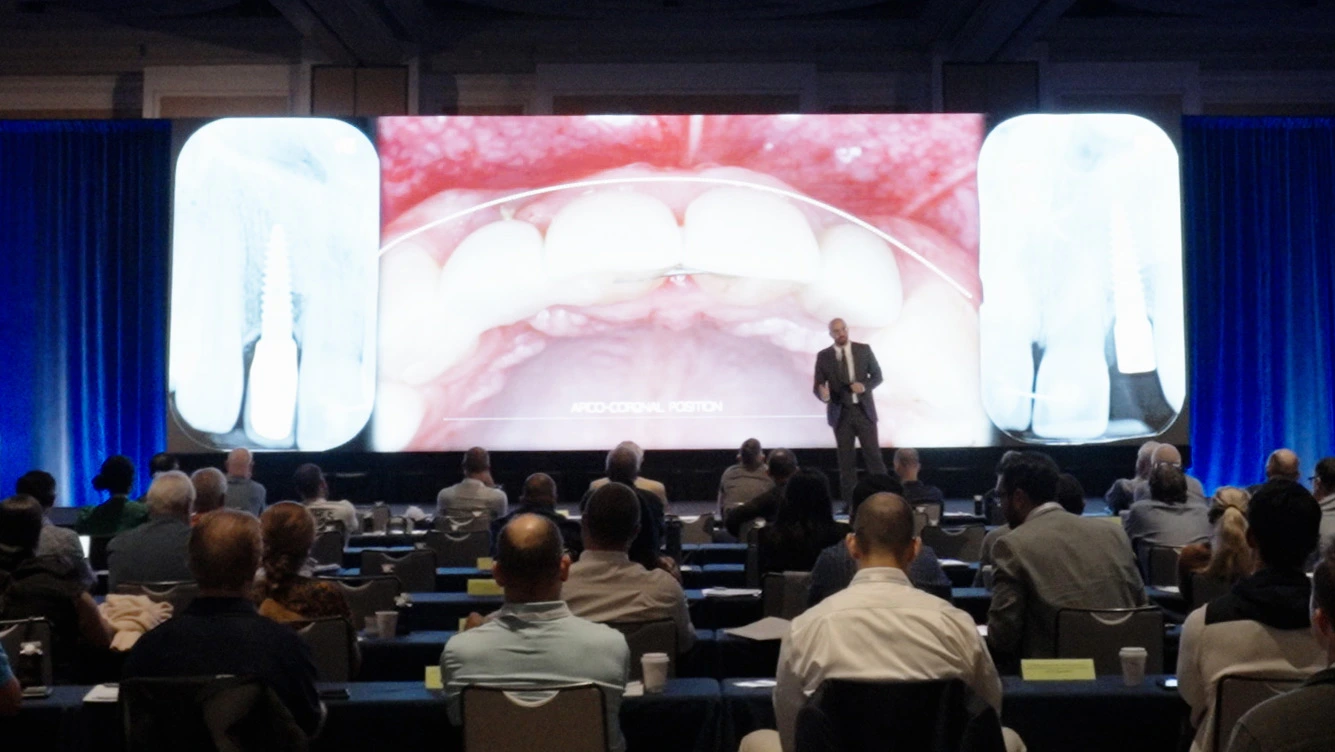
Join us in Orlando, FL, September 24–26 for our globally renowned three‑day Pikos Symposium featuring 13 expert clinicians and three hands-on training opportunities.
.svg)
Now Open for Registration
Upcoming Course Dates
2026-2027 Core Curriculum Series
Clear and Transparent Pricing
The comprehensive Mastering Implant Dentistry program consists of four individual modules, each priced at $4,999.00. To complete the full program, all four modules must be purchased and registered for separately, bringing the total investment to $19,996.00. This allows you to tailor your registration to fit your schedule and needs.
Thank You
Core Curriculum Overview

Hard & Soft Tissue Grafting For Implant Reconstruction
Pikos Symposium 2026
Lecture + 3 Hands‑On Training Opportunities
The PIKOS Symposium 2026 Hard & Soft Tissue Grafting For Implant Reconstruction is designed to empower clinicians with comprehensive, evidence-based mastery of hard and soft tissue grafting within advanced implant reconstruction protocols.
Guided by world-renowned experts, this three-day immersive program integrates state-of-the-art surgical techniques, digital workflows, regenerative biomaterials, and hands-on experience, all aimed at optimizing patient outcomes through predictable, esthetically-driven implant therapy.
Join us for live presentations of thirteen world-renowned experts presenting live case demonstrations and optional pre-conference workshops.


Course Details
Core Curriculum Details

Join the waitlist
Join the waitlist


Past Course Agenda
Course Agenda
Speaker Sessions
Simplified Bone Regeneration to Prevent Peri-Implant Complications
Peri-implant diseases and implant esthetic disasters are our bread and butter in implant dentistry. Their prevalence amount up to 30% at patient-level. This means that we are providing suboptimal outcomes. Their frequency has been identified to follow a site-specific pattern, where local factors play a critical role on their onset/progression. In fact, it has been suggested that the placement of implants in sites that cannot guarantee bone integration along the implant surface may lead to surface contamination and facial mucosal margin recession. Therefore, bone regeneration may assist in preventing these complications. Recently published data and a stepwise approach will be presented to provide a simplified approach to optimize outcomes in immediate and delayed implant placement.
Learning Objectives:
1. To provide a rationale on regeneration simultaneous to implant placement
2. To provide insight on the plausibility of certain materials to simplify the approach and minimize invasiveness
3. To provide the indications on whether to compensate the buccal deficiencies with hard and/or soft tissue grafts.
Tunneling Approaches for Predictable Soft Tissue Regeneration in Challenging Clinical Scenarios
Reconstructive procedures in Periodontology and Implant Dentistry aim at regenerating the lost periodontal supporting tissues which have been lost following periodontal disease or trauma. During the last decades, several treatment modalities including the use of bone grafting materials, barrier membranes, different types of biologics, or various combinations thereof, have been shown to promote periodontal regeneration (i.e., formation of cementum, periodontal ligament, alveolar bone, and gingiva) to a varying extent.
Predictable coverage of single and multiple adjacent recessions, especially in the mandibular area, is still a challenge for the clinician. Several factors such as tooth anatomy and position, recession depth and width, presence, or absence of supporting bone, and thickness of the soft tissues may limit the management of soft tissues and consequently impair the outcomes. Substantial evidence indicates that the Modified Coronally Advanced Tunnel (MCAT), the more recently described Laterally Closed Tunnel (LCT) or the combined MCAT + LCT technique, result in predictable outcomes providing also long-term stability. More recently, these techniques have been also successfully used for the treatment of mucosal recessions at dental implants.
Even though palatal soft tissue grafts are still considered the “gold standard” in soft tissue grafting, autogenous tissue harvesting is often associated with increased patient morbidity, prolonged surgical time, and the possibility of postoperative complications such as bleeding, numbness, and sensibility changes in the donor area. Moreover, in many clinical situations, autogenous graft harvesting is limited by various anatomical factors such as thickness of the palatal mucosa, presence of palatal recessions and location of the palatal artery.
To overcome these limitations, soft tissue replacement xenogeneic grafts have been developed to replace or minimize the need for autogenous grafts.
Learning objectives:
- To provide the biologic rationale, the surg and treatment philosophy for the use of MCAT, LCT and the combination of MCAT + LCT for soft tissue reconstruction in various clinical scenarios at teeth and dental implants.
- Based on clinical cases and surgical videos, to teach the step-by-step procedure for MCAT and LCT using autogenous tissue, soft tissue xenogeneic grafts or various combinations thereof.
- To discuss postoperative care and prevention and management of complications.
Optimized Bone Grafting
Bone grafting is routinely performed in periodontology and oral surgery to fill bone voids. While autogenous bone is considered the gold standard because of its regenerative properties, allografts and xenografts have more commonly been utilized owing to their availability as well as their differential regenerative/biomechanical properties. In particular, xenografts are sintered at high temperatures, which allows for their slower degradation and resorption rates and/or nonresorbable features. As a result, clinicians have combined xenografts with other classes of bone grafts (most commonly allografts) for procedures requiring better long-term stability, such as contour grafting, sinus elevation procedures, and vertical bone augmentations. This presentation addresses the regenerative properties of each class of bone grafts and then highlights the importance of understanding each of their biomechanical and regenerative properties for clinical applications, including extraction site management, contour augmentation, sinus grafting, and horizontal and vertical augmentation procedures. Thereafter, an introduction toward the novel production of nonresorbable bone allografts (NRBAs) via high-temperature sintering is presented. These NRBAs not only pose the advantage of being more biocompatible than xenografts owing to their origin (human vs. animal bone), but also display nonresorbable properties similar to those of xenografts. Thus, while packaging allografts with xenografts in premixtures specific to various clinical indications has never been permitted owing to cross-species contamination and FDA/CE requirements, the discovery and production of NRBAs allows premixing with standard allografts in various ratios. This optimized form of bone grafting provides clinicians more precise ratios without the need to purchase separate bone grafts. This presentation will highlight the future potential for simplified and optimized bone grafting in periodontology and implant dentistry.
Learning Objectives
- Understand bone grafting and the regenerative properties of each class of bone grafts
- Understand the research leading to the development of non-resorbable bone allografts
- Understand why no single bone graft can be utilized for all grafting procedures
Management of Communicating Bone Defects: The Great Challenge of Bone Regeneration
Communicating bone defects represent one of the greatest challenges in the field of bone regeneration. Although most conferences on bone defects focus on conventional regenerative procedures, the specific problem of communicating defects has often been neglected. These defects are not only the most difficult to resolve, but also increasingly frequent, particularly due to the failure of regenerative techniques and dental implants. This conference will address these overlooked clinical scenarios by providing practical insights into their diagnosis and treatment. Special emphasis will be placed on the proper selection of biomaterials, surgical approaches, and the essential role of soft tissue management in ensuring predictable outcomes.
Learning Objectives:
- To present clinicians with a clear and practical protocol for managing each type of communicating bone defect.
- To highlight the most suitable biomaterials and surgical techniques for successful regeneration.
- To emphasize the importance of adequate soft tissue management as a decisive factor for long-term success.
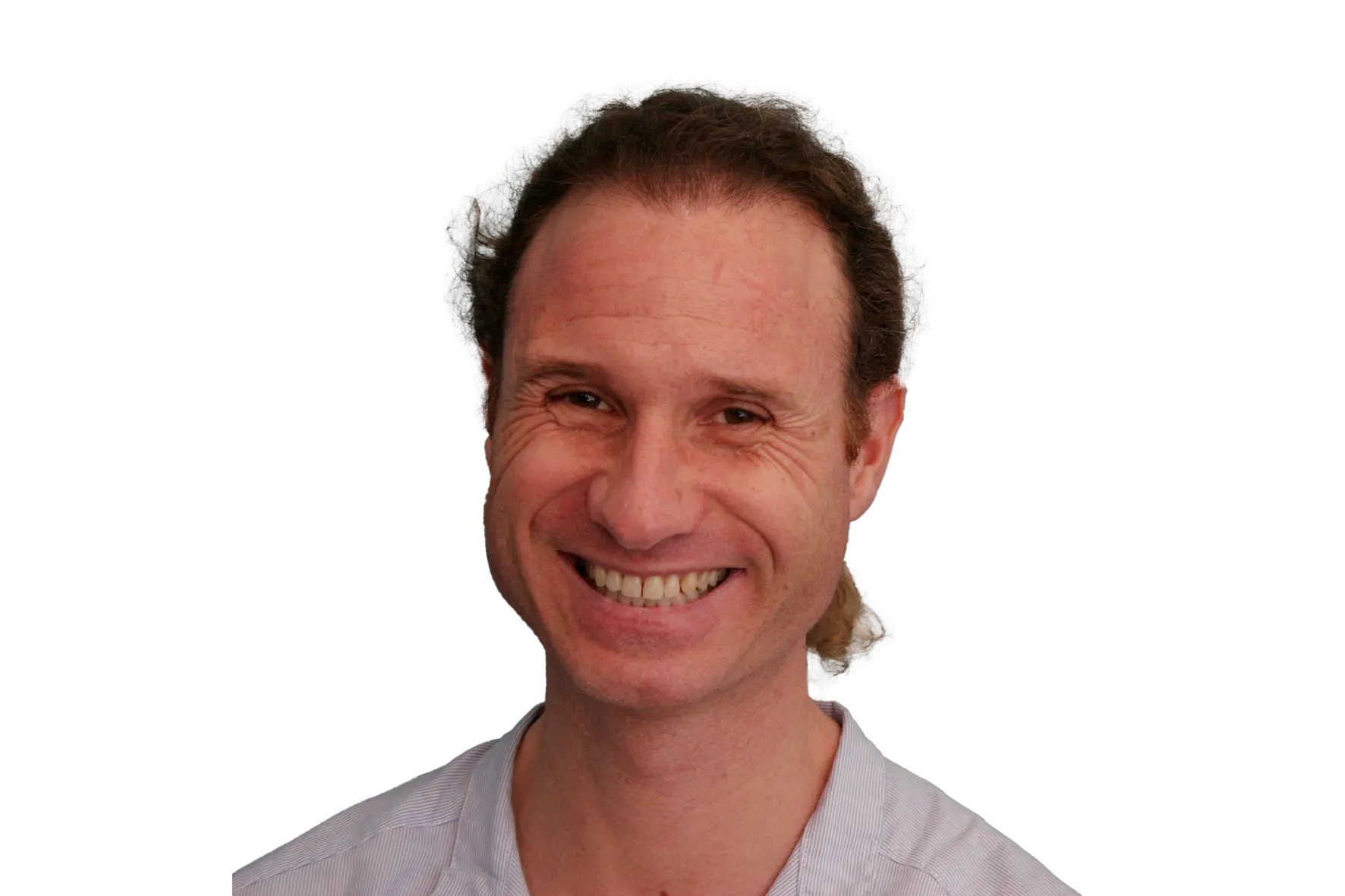
Alveolar Ridge Regenerative Strategies: 2026
This clinical based presentation will cover current hard and soft tissue grafting protocols for single tooth to full arch reconstruction case types. The use of 3D digital planning and diagnostic protocols will be featured along with comprehensive case presentations.
Learning Objectives:
After this presentation course attendees will:
- Understand the importance of 3D Diagnostics for implant based reconstruction
- Understand the role of recombinant proteins and other bioactive modifiers as well as autogenous and biomaterials for hard and soft tissue grafting
- Understand the synergy of hard and soft tissue grafting for alveolar ridge reconstruction

Have We Misunderstood Peri-Implantitis for 30 Years?
Peri-implantitis remains one of the greatest biologic and clinical challenges in implant dentistry, with high rates of disease recurrence and unpredictable long-term stability despite treatment. Why do some implants remain stable for decades while others continue to lose bone despite repeated intervention? This presentation will provide clinicians with an evidence-based, practical roadmap for improving peri-implantitis treatment outcomes using the latest AAP/AO consensus recommendations, contemporary surgical principles, and emerging biologic insights. Attendees will learn how to identify the key drivers of treatment failure, optimize maintenance protocols, improve case selection, and select surgical strategies that maximize the probability of disease resolution and long-term implant stability. Special emphasis will be placed on defect morphology, implant surface characteristics, prosthetic risk factors, implant cleansability, soft tissue management, decontamination strategies, and the biologic limitations of current therapies. The lecture will integrate consensus guidelines with real-world surgical decision-making to provide clinicians with immediately applicable strategies to increase peri-implantitis resolution rates in daily practice.
Learning Objectives
- Identify the risk factors most strongly associated with peri-implantitis treatment success and recurrence.
- Apply evidence-based consensus recommendations to improve nonsurgical and surgical peri-implantitis treatment outcomes and long-term implant maintenance.
- Select regenerative, resective, and maintenance strategies based on defect configuration, implant characteristics, and cleansability to maximize disease resolution and long-term stability.
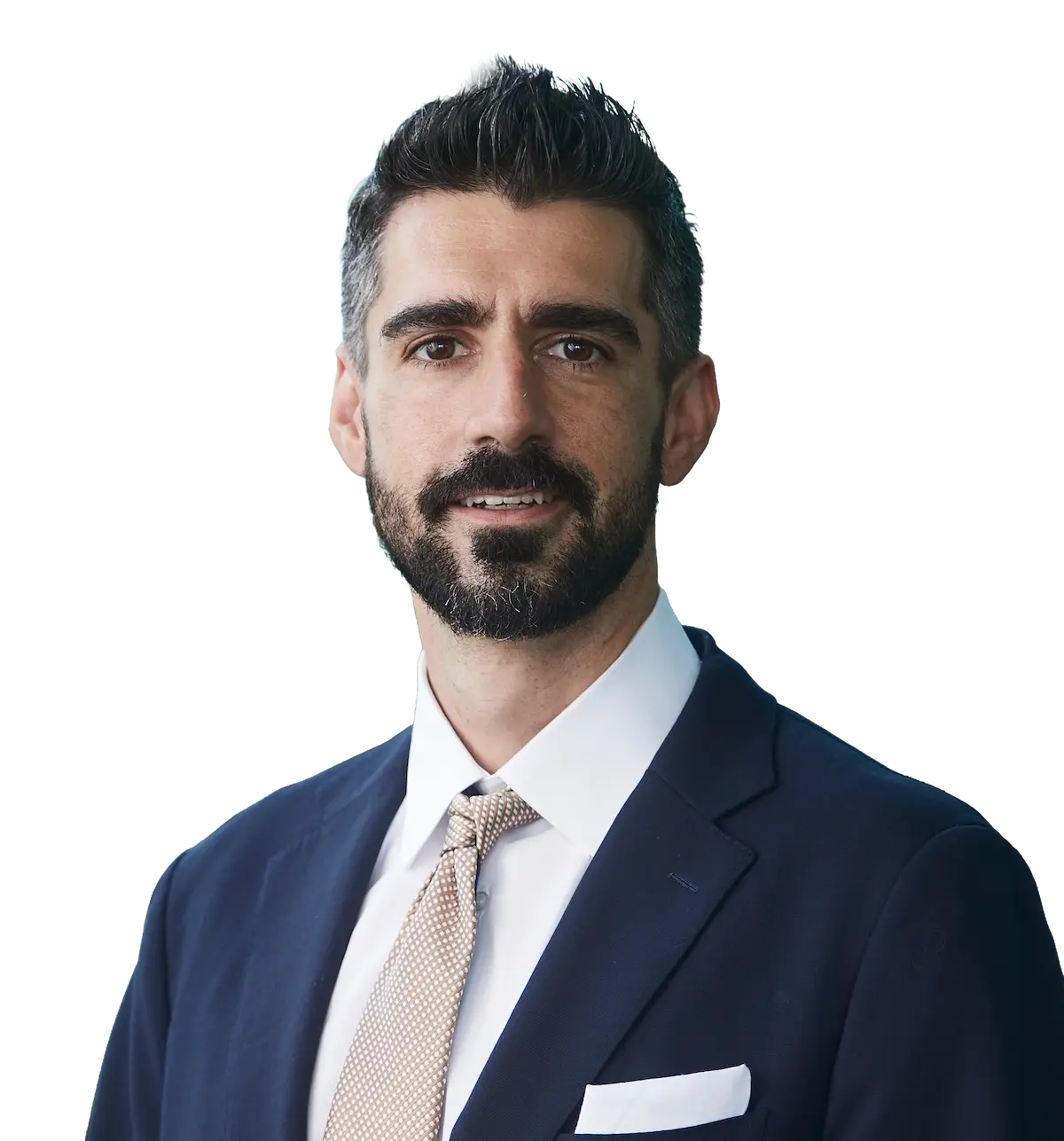
The Interplay Between Peri-Implant Hard and Soft Tissues and Prosthetic Design: How Can We Prevent Complications?
This lecture will explore the biological and clinical principles of peri-implant tissue stability, emphasizing ideal implant positioning, phenotype modification therapy (PhMT), and prosthetic design. Evidence-based concepts and clinical strategies will illustrate how surgical and restorative decisions can be integrated to optimize the peri-implant environment, maintain marginal bone stability, and reduce peri-implant complications.
Learning Objectives:
By the completion of this lecture, participants should be able to:
1. Identify key hard and soft-tissue phenotype characteristics associated with peri-implant health and apply phenotype modification therapy (PhMT) strategies to optimize the peri-implant environment.
2. Evaluate how three-dimensional implant positioning and prosthetic design—including emergence profile and restorative contours—influence peri-implant hard- and soft-tissue stability.
3. Integrate surgical strategies, phenotype modification concepts, and prosthetic principles into treatment planning to maintain marginal bone stability and minimize the risk of biological complications.
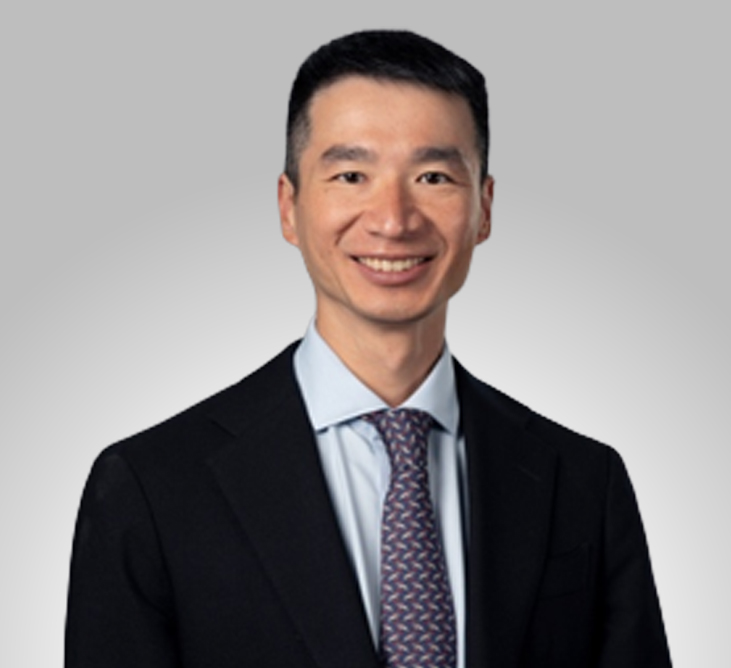
Hard and Soft Tissue Grafting with Implants
How often does an all-on-X look perfect on the post-operative X-ray, yet the patient complains of discomfort due to missing attached keratinized tissue—often around a distal- tilted mandibular implant? Or why does a beautifully augmented ridge lose contour after implant placement? Achieving stable, functional, and aesthetic outcomes requires mastery of both hard and soft tissues. This lecture will explore real-world clinical strategies for managing peri-implant tissues. The timing of hard and soft tissue augmentation will be analyzed, while the selection of donor sites and harvesting techniques for soft tissue grafts will be examined in detail. Practical tips, complication management, and the rationale for prioritizing preservation over reconstruction will be highlighted to help clinicians achieve more predictable results in everyday practice.
Learning objectives:
- Importance of hard and soft tissue for peri-implant tissue health
- Timing of hard and soft tissue augmentation
- Clinical outcomes depending on soft tissue graft harvesting technique and donor site
- Why preservation always wins over reconstruction
.webp)
Esthetic Zone Implant Reconstruction with Hard and Soft Tissue Grafting
Reconstruction in the esthetic zone remains one of the most complex challenges in implant dentistry. This lecture will outline the interplay between bone and soft tissue, and the protocols needed to achieve long-term stability and esthetic integration. Key focus areas include bone augmentation, soft tissue grafting, prosthetic contour development, and biologically driven approaches such as Partial Extraction Therapy (PET) and the socket shield technique. With over 25 years of clinical experience, Prof. Gluckman will share practical algorithms, failures, and successes to provide clinicians with predictable strategies for managing complex anterior maxillary defects.
Learning Objectives
- Understand the biologic interdependence of bone and soft tissue and apply principles that ensure long-term stability and esthetic success in implant reconstruction.
- Develop a structured decision-making process to manage complex defects in the anterior maxilla, incorporating protocols for bone grafting, soft tissue augmentation, and prosthetic design.
- Incorporate modern techniques such as PET and the socket shield to preserve natural contours, minimize ridge resorption, and enhance predictability in esthetic zone implant therapy.
.webp)
From Analogue Roots to the Digital Horizons in Bone Augmentation
Combination of Dr. Jose Luis Mompell and Dr. Juan L. Chao
Bone reconstructive surgery has evolved from traditional analogue approaches to a new era shaped by digital innovation. This lecture will revisit the biological foundations and conventional techniques of bone augmentation while exploring how digital technologies—such as 3D planning, guided reconstructive surgery, and advanced digital tools—are reshaping clinical practice. Emphasis will be placed on bridging analogue knowledge with digital advancements to achieve predictable, efficient, and innovative solutions in bone and soft tissue regeneration.
Learning objectives:
- Review the biological principles and classical analogue techniques in bone augmentation.
- Understand the impact of digital innovations on planning and performing reconstructive procedures.
- Identify the benefits, limitations, and future perspectives of different reconstructive techniques used in bone regeneration.
.webp)
From Analogue Roots to the Digital Horizons in Bone Augmentation
Combination of Dr. Juan L. Chao and Dr. Jose Luis Mompell
Bone reconstructive surgery has evolved from traditional analogue approaches to a new era shaped by digital innovation. This lecture will revisit the biological foundations and conventional techniques of bone augmentation while exploring how digital technologies—such as 3D planning, guided reconstructive surgery, and advanced digital tools—are reshaping clinical practice. Emphasis will be placed on bridging analogue knowledge with digital advancements to achieve predictable, efficient, and innovative solutions in bone and soft tissue regeneration.
Learning objectives:
- Review the biological principles and classical analogue techniques in bone augmentation.
- Understand the impact of digital innovations on planning and performing reconstructive procedures.
- Identify the benefits, limitations, and future perspectives of different reconstructive techniques used in bone regeneration.
.webp)
Digital Technologies in Bone & Soft Tissue Grafting in Science and Clinics
Digital technologies are reshaping regenerative dentistry and implant surgery, enabling unprecedented levels of precision, predictability, and personalization. Advances in CBCT imaging, intraoral scanning, CAD/CAM workflows, dynamic navigation, and AI-driven planning have transformed the diagnosis and execution of bone and soft tissue grafting procedures. These innovations allow clinicians to optimize defect analysis, graft design, surgical accuracy, and esthetic outcomes while minimizing morbidity. Scientific background and clinical applications will be presented. Emerging technologies such as 3D bioprinting are redefining the boundaries of tissue engineering. Bioprinting introduces the possibility of fabricating patient-specific, biologically active constructs integrating cells, biomaterials, and growth factors.
Although still evolving, this field signals a paradigm shift from replacement toward true regeneration. This lecture explores the integration of digital workflows in contemporary grafting procedures and provides a critical overview of the current status, challenges, and future potential of bioprinting in oral regeneration.
Learning Objectives
By the end of this lecture, participants will be able to:
- Provide an overview of the full digital workflow in contemporary rehabilitations
- Understand the role of digital technologies in the diagnosis, planning, and execution of bone and soft tissue grafting
- Explore contemporary digital grafting techniques through the lens of the synergy between biology and technology
- Envision how emerging digital biology and regenerative technologies may redefine clinical practice
.png)
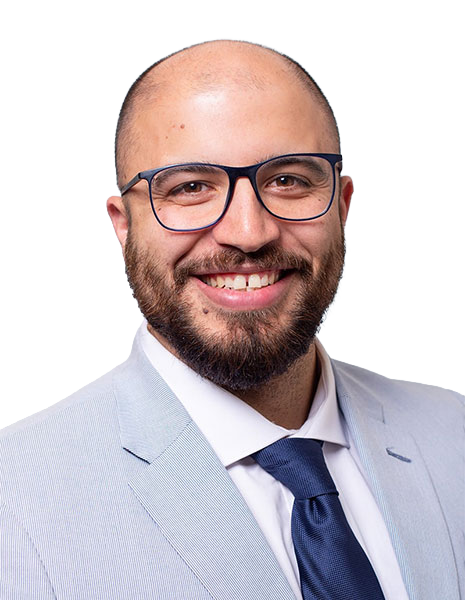
Sculpted: The Art of Prosthetic-Driven Soft Tissue in Immediate & Delayed Implants
This lecture provides clinicians with a prosthetically driven approach to managing soft tissue outcomes in both immediate and delayed implant cases. Emphasis is placed on how treatment planning, provisionalization, and final restoration design influence the biological response and esthetic stability of peri-implant tissues. In addition, the course will cover key principles of soft tissue augmentation, including when and how to incorporate grafting procedures to enhance tissue volume, stability, and long-term esthetic outcomes.
Learning Objectives
- Compare immediate and delayed implant placement and select the appropriate timing based on soft tissue and prosthetic considerations.
- Understand how prosthetic design (emergence profile, provisional contours, abutments) influences peri-implant soft tissue outcomes.
- Incorporate soft tissue augmentation techniques into treatment planning to improve tissue quality, volume, and esthetic results.
.svg)
Course Media


Learn From World-Class Masters
13 world-renowned clinicians will share their expertise through in-depth presentations, each featuring dedicated Q&A time. This unique format allows for comprehensive learning and direct interaction with leading experts in the field.
Access Comprehensive Treatment Protocols
From diagnostic criteria to final restoration, gain detailed insights into both surgical and prosthetic strategies for full arch reconstruction. Presenters will share evidence-based protocols that you can implement in your practice.


Master Advanced Techniques
Learn the latest in horizontal and vertical ridge augmentation, sinus grafting, and soft tissue regeneration to manage complex defects. The symposium delivers cutting-edge strategies for handling deficient bone and soft tissue with precision, including the use of membranes, biologics, and simultaneous implant placement protocols.
Elevate Your Clinical Decision-Making
Develop a refined approach to case selection and timing for hard and soft tissue grafting. You’ll gain evidence-based procedures on graft materials, flap designs, and augmentation techniques—empowering you to confidently treat advanced cases with long-term esthetic and functional success.
.svg)

Pre-Conference Workshops
Each pre-conference workshop awards 4 CE hours. Workshops require separate registration at checkout and are not included in main session registration price.
Optional Package Add-ons
Check out our vendor specials and contact the designated representative to claim your discount.























.avif)


What Attendees Are Saying
Convenient Financing Solutions
Take advantage of tailored payment solutions to suit your needs. Choose quick financing through Live Oak Bank to cover all course-related expenses, or opt for flexible payment plans that let you pay in full or in manageable installments over time.
Bank Financing Available
.webp)
Quick decision financing available to cover all Pikos Institute courses, fees, travel expenses, incidentals and surgical equipment is offered by Live Oak Bank, specialists in dental practice lending. Available on registrations over $10,000.
Flexible Payment Options





If you would like to pay up front in full or in installments over time, we have you covered with two convenient payment options.
This course is currently sold out. Leave your contact information below and we'll reach out if more seats become available for this event.
Room Reservations
Pikos Institute has contracted with the Ritz-Carlton to provide a special room rate (options starting at $325/night) for our Pikos Symposium attendees.
Reserve Your Room Online
For reservations by phone, call 1-800-266-9432 and mention “Pikos Symposium 2026” for a special room rate.

We will be announcing future dates for this course in the near future. Please leave your contact information and we will reach out as soon as new course dates are announced.

